
Family histories, researched to the original record.
Zichronos researches a family in the archives that hold its records, then publishes its history as a finished hardcover book.
What a Zichronos book holds
Every book holds a family’s records, its story, its family tree, its maps and its history. The example shown on this site, in two volumes, runs to:
- 570pages
- 29chapters
- 23maps
- 190photographs and documents
From the first conversation to the later edition
Every commission follows the same eight steps.
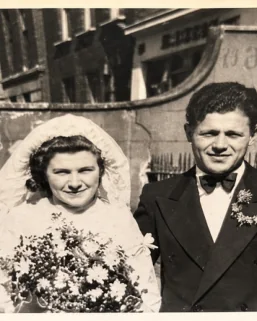
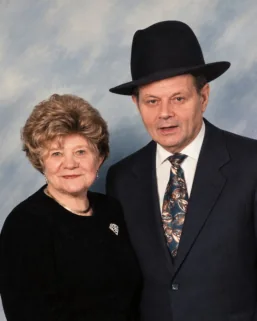
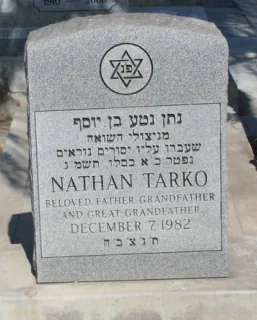
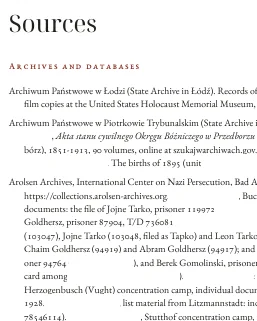
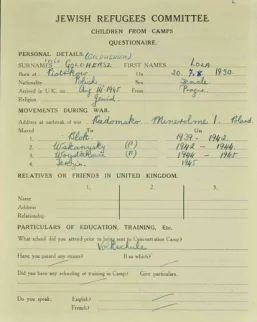
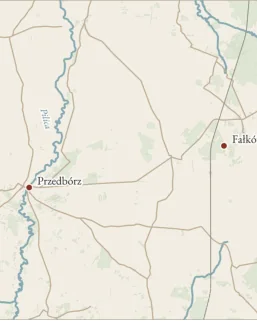
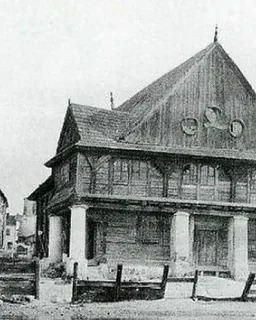
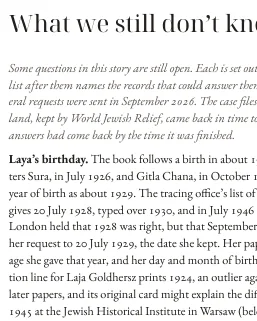
One commission, from the first conversation to the printed book
Each commission is a single piece of work for one price. We carry it from the family’s first papers to the bound book, and through an updated edition when later records arrive.
Every commission includes
- Reading the family’s papers and photographs, and interviews with relatives
- Searching the public record collections, and writing to the archives, museums and libraries that may hold more
- Reading the originals, with full translations from Polish, German, Yiddish, Hebrew, Russian or any other language
- The family tree, with every spelling each name takes in the records
- The history of the family’s towns and communities and the events around them
- Maps of the places and routes in the family’s life
- A plain account of what each record proves and what is still unknown
- Design and printing of the finished book
When there is a date
Some books are needed by a fixed day: the shloshim, a yahrzeit, an unveiling, a milestone birthday or a family celebration. These can be taken on as priority commissions.
Within thirty days the first edition is built from the family’s papers and interviews and from the record collections that can be searched directly, and the book reaches the family as a PDF by the date. Printed copies follow once the printer delivers them. Requests to the archives go out at once. Archives answer on their own schedules, so whatever arrives later goes into an updated edition. A priority fee applies and is set out in the written proposal.
Questions families ask
We have very few papers. Can you still help?
Most families begin with very little. Names, places and approximate dates are enough to start, and the archives may hold far more than the family does.
Do you work with families of every background?
Yes. Families with roots in Europe, North Africa, the Middle East or America are all welcome, including families whose records are entirely American. The research follows a family wherever its records are.
Which languages can you work in?
Records are read and translated in full from Polish, German, Yiddish, Hebrew, Russian and any other language they were written in.
How long does a commission take?
Most commissions take three to four months. When a book is needed by a fixed date, a priority commission delivers a first edition as a PDF within thirty days, and printed copies follow.
What if an archive never answers?
Some never do, and silence from an archive is not a negative result. The book is built from the records that can be found and says plainly what is still unknown. Replies that arrive after delivery go into the updated edition.
Can relatives order copies?
Yes. If the family wishes, we publish the book on Amazon at no charge, so relatives anywhere can order a copy.
How is our family’s material handled?
Family papers shared with us are kept private and used only for your book. How originals are kept and returned is set out in writing at the start of each commission.
Begin with a conversation
Tell us about your family and what you would like the book to hold.